Bean Brain Benders: The Coffee Knowledge Showdown

Coffee fuels mornings, sparks conversations, and inspires heated debates about the perfect brew, but how much do you actually know about what is in your cup? This trivia challenge is packed with surprising facts about beans, brewing, history, and the science behind your daily pick‑me‑up. From ancient legends involving curious goats to modern espresso artistry, each question is designed to test both casual sippers and hardcore coffee obsessives. Along the way, you will bump into myths, measure your caffeine IQ, and maybe even discover a new favorite style of coffee to try. Think you can distinguish Arabica from Robusta, or guess which country drinks the most? Get ready to roast your assumptions, grind through some tricky choices, and see if your coffee knowledge is bold, medium, or decaf. Grab your mental mug and let the quiz begin.
1
What is the main difference between a latte and a cappuccino?

2
What does the term “single-origin” mean on a bag of coffee?

3
Which roast level typically preserves the most original, origin-specific flavors of the coffee bean?
4
Which country is widely credited as the birthplace of coffee drinking as we know it today?

5
Which brewing method typically uses pressure to force hot water through finely ground coffee?

6
Which component in coffee is primarily responsible for its stimulating effect on the nervous system?
7
What type of coffee bean accounts for about 60–70 percent of the world’s coffee production?

8
What is the primary reason cold brew coffee tastes less acidic than hot-brewed coffee?
9
What is the outer, fleshy part of the coffee cherry commonly called, which can be dried and brewed as a tea-like drink?

10
Which country is currently the largest producer of coffee in the world by volume?

0
out of 10
Quiz Complete!
Related Article
Brewing Up Knowledge: A Friendly Tour of Coffee Culture and Science

Coffee is more than just a morning habit. It is a global ritual, a science experiment in a cup, and a story that stretches back over a thousand years. Understanding what is in your mug can make every sip more interesting, whether you are a casual drinker or a devoted coffee enthusiast.
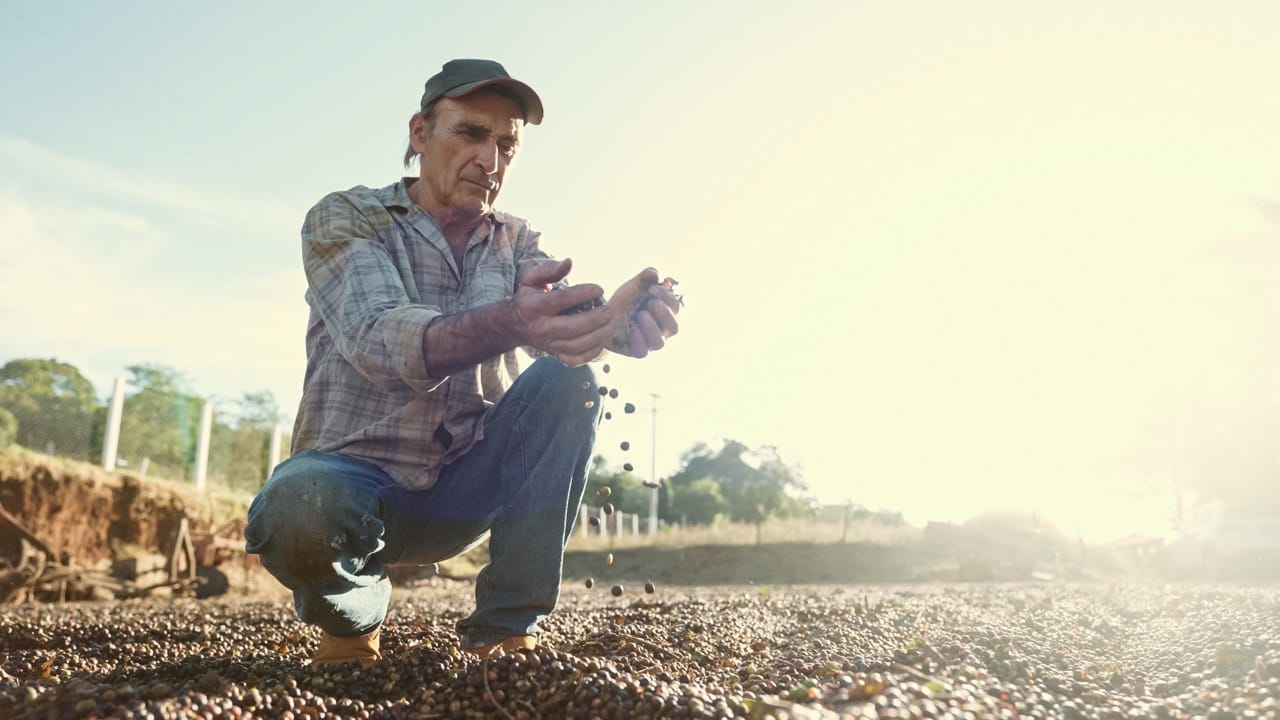
One of the most famous coffee legends begins with goats. According to tradition, a goat herder in Ethiopia noticed his animals becoming unusually energetic after eating bright red cherries from a certain plant. Curious, he tried the cherries himself and felt a similar burst of energy. Monks later experimented with these cherries, eventually discovering that roasting and brewing the seeds inside created a stimulating drink that helped them stay awake during long prayers. While this story may be more myth than fact, it reflects coffee’s roots in East Africa and its early connection to energy and alertness.
Today, most of the world’s coffee comes from two main species of coffee plant: Arabica and Robusta. Arabica beans are generally considered smoother and more complex, with flavors that can include hints of fruit, chocolate, or flowers. They usually contain less caffeine than Robusta and are often grown at higher altitudes. Robusta beans are hardier, more bitter, and more earthy, with a stronger caffeine punch. They are commonly used in instant coffee and some espresso blends, where their boldness and thicker crema can be an advantage.
How coffee is brewed has a huge impact on flavor. A simple drip machine slowly pours hot water over ground coffee, producing a clean, familiar cup. A French press steeps coarse grounds directly in hot water, leading to a richer, heavier texture because more oils and tiny particles remain in the drink. Espresso, by contrast, is made by forcing hot water through very finely ground coffee at high pressure. This creates a small, concentrated shot with intense flavor and a layer of crema on top. From espresso, you get drinks like cappuccinos, lattes, and macchiatos, which balance strong coffee with steamed milk and foam.
Behind the pleasant aroma and taste is a bit of chemistry. Caffeine is a natural compound that helps protect the coffee plant from insects. In humans, it blocks certain receptors in the brain that signal tiredness, helping you feel more awake. Roast level also changes the chemistry of the beans. Light roasts tend to keep more of the bean’s original character and slightly more caffeine by volume, while dark roasts develop smokier, more robust flavors as sugars caramelize and oils move to the surface.
Coffee culture varies widely around the world. Some countries are known for drinking large amounts per person, especially in parts of Europe and the Nordic region, where coffee breaks are a daily ritual. Others focus on strong, small servings, like Turkish coffee or Italian espresso. Wherever you go, you will find local traditions, preferred brewing methods, and strong opinions about what makes the perfect cup.
Exploring coffee means exploring history, geography, and science all at once. As you test your knowledge about beans, brewing, myths, and caffeine, you may find new styles to try and new details to notice in every cup. The more you learn, the more your daily coffee becomes an experience rather than just a routine.