Spud Smarts Challenge From Fries to Folklore Deep Dive
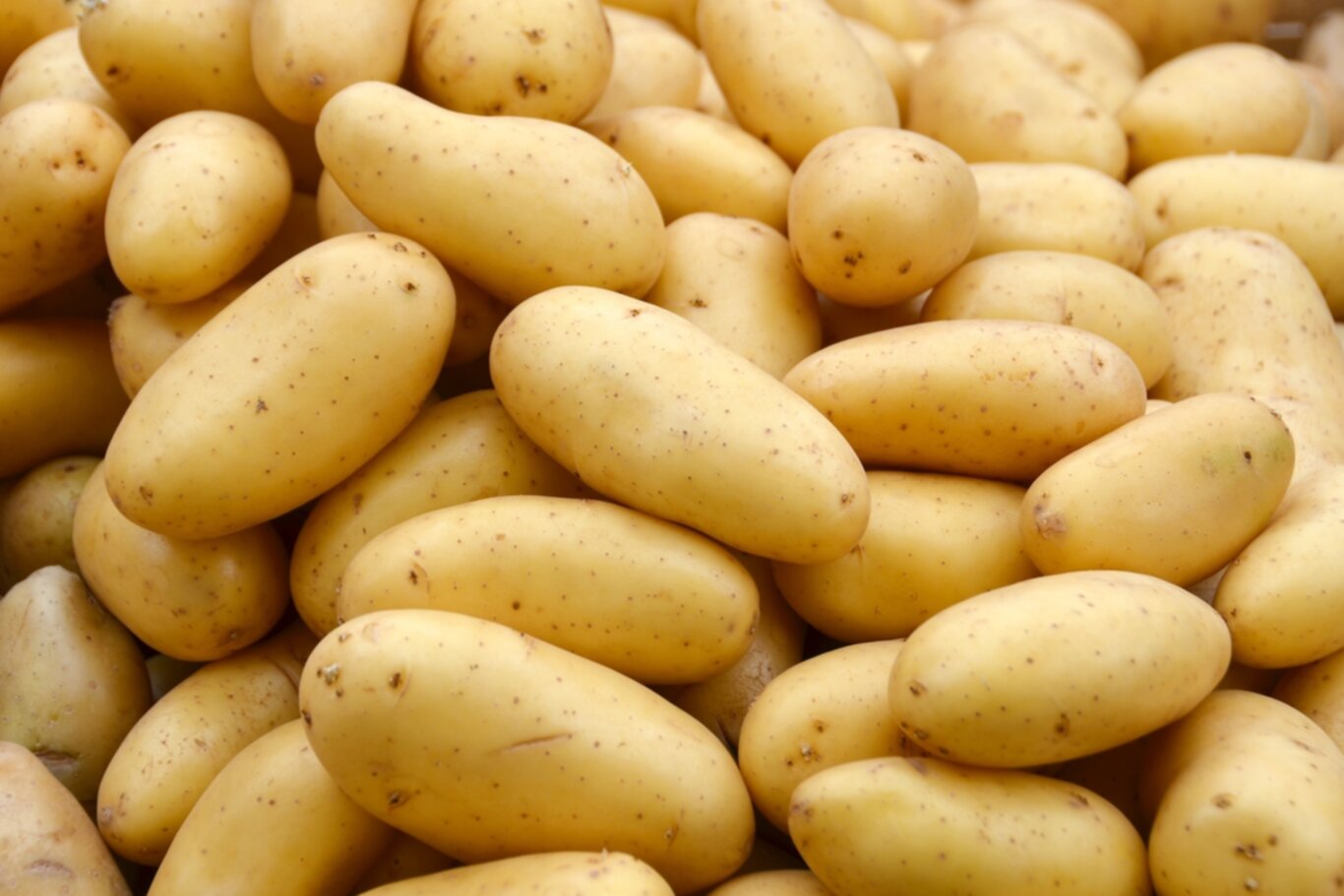
Potatoes are the ultimate everyday ingredient with a surprisingly dramatic backstory. One minute they are the humble sidekick to dinner, the next they are the star of chips, fries, gnocchi, and silky mash. This quiz serves up playful facts about potato varieties, the science that makes them crisp or creamy, and the kitchen myths that refuse to die. You will run into waxy versus starchy showdowns, why some potatoes turn gray after cooking, and what really happens when a spud goes green. Expect a few curveballs about where potatoes came from, how they spread around the world, and the small choices that make fries taste restaurant-level at home. Grab your curiosity and see if your potato knowledge is as golden as a perfectly cooked batch of fries.
1
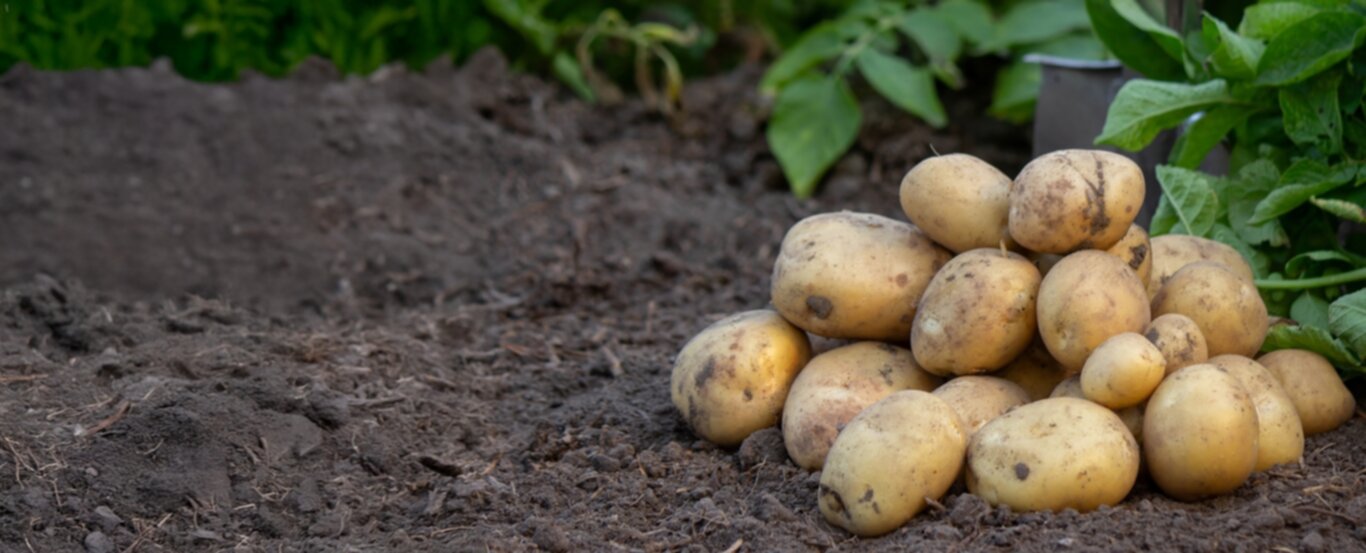
A green tint on a potato’s skin is most closely associated with an increase in which compound?
2
In the classic double-fry method for French fries, what is the main purpose of the first, lower-temperature fry?
3
What causes some cooked potatoes to turn gray if left to sit after boiling or mashing?
4
Which potato variety is especially associated with French-style gratin because it holds its shape well when sliced and baked?
5
What is the key difference between waxy and starchy potatoes in the kitchen?
6
Which type of potato is generally best for fluffy mashed potatoes because of its higher starch content?
7
Which cooking method most directly relies on gelatinizing potato starch to create a creamy interior?
8
Why can storing potatoes in the refrigerator lead to unusually dark fries or chips?
9
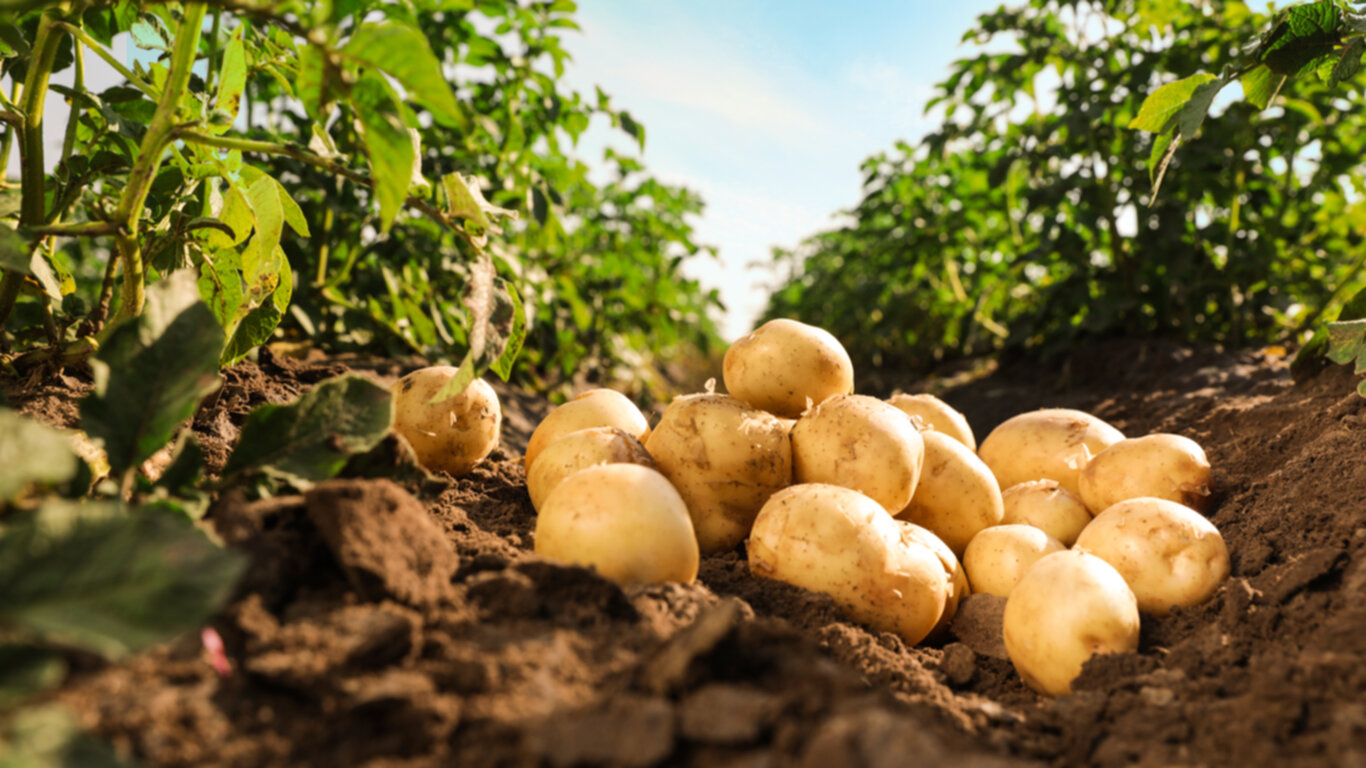
Potatoes originated in which region before spreading worldwide?
10
Which common kitchen claim is a myth: adding potatoes to an overly salty soup will reliably remove the salt?
11
What is the main reason soaking cut potatoes before frying can improve crispness?
12
Which statement about storing potatoes and onions together is most accurate?
0
out of 12