Carrot Confessions: Colors, Cultivars, Kitchen Myths
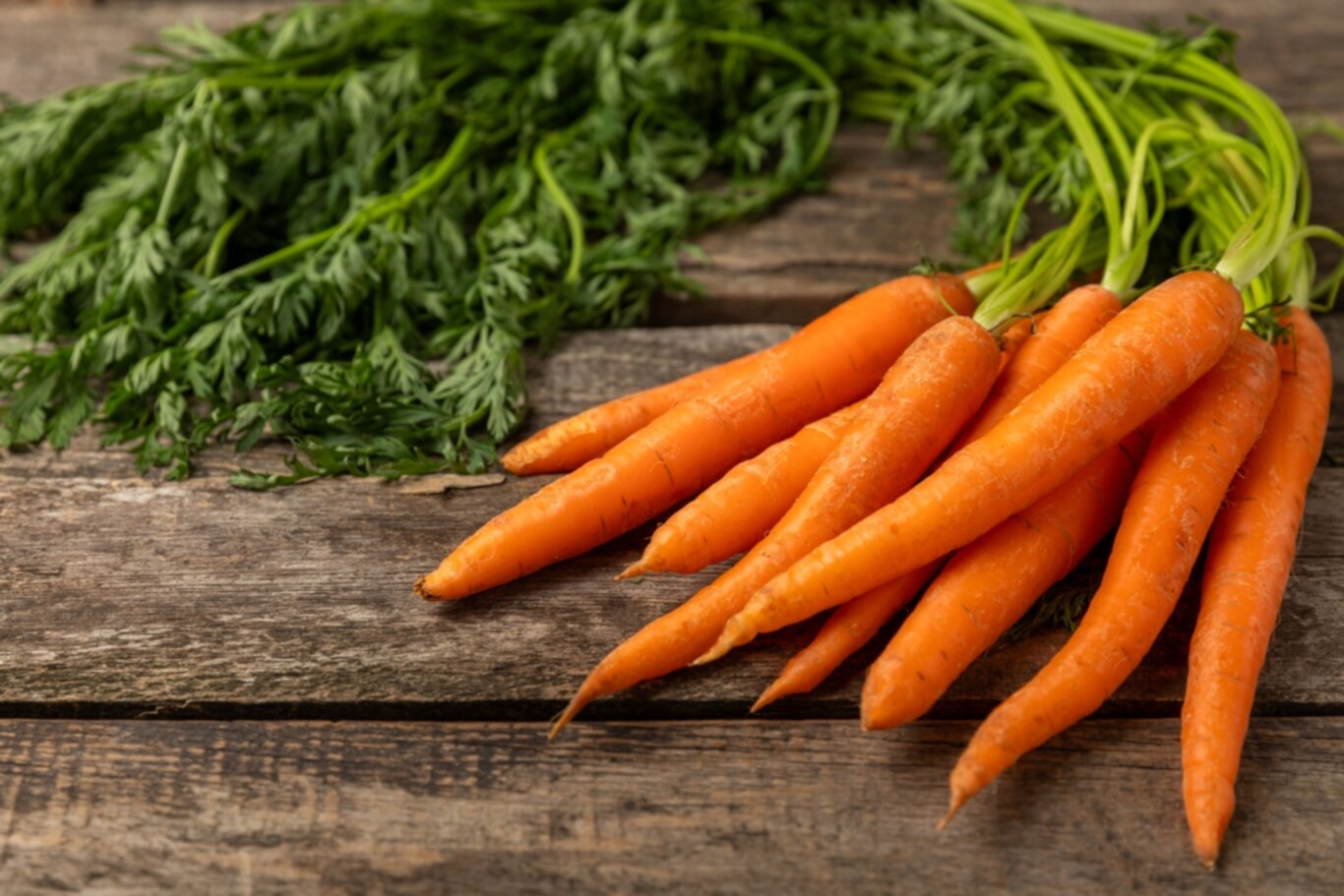
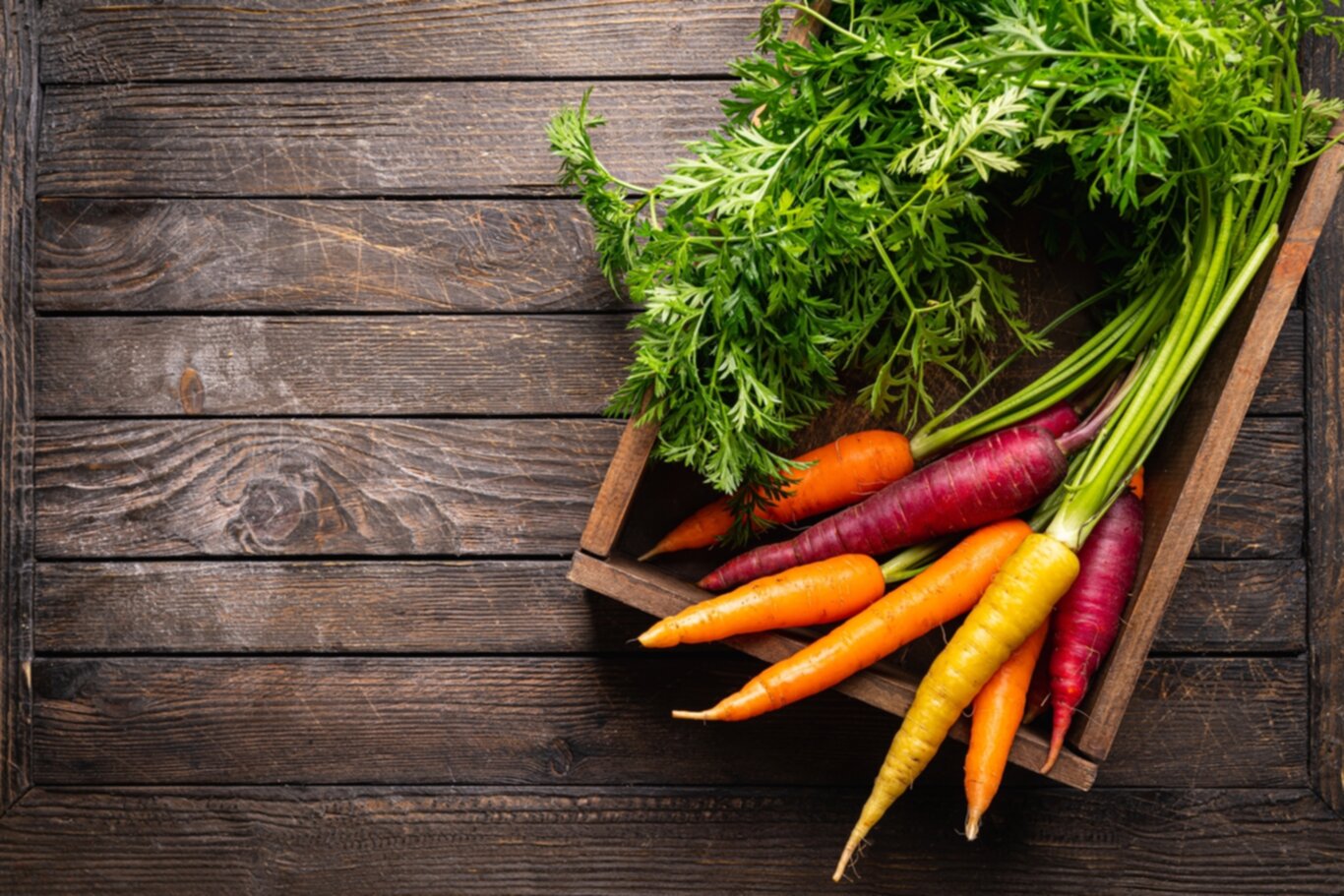
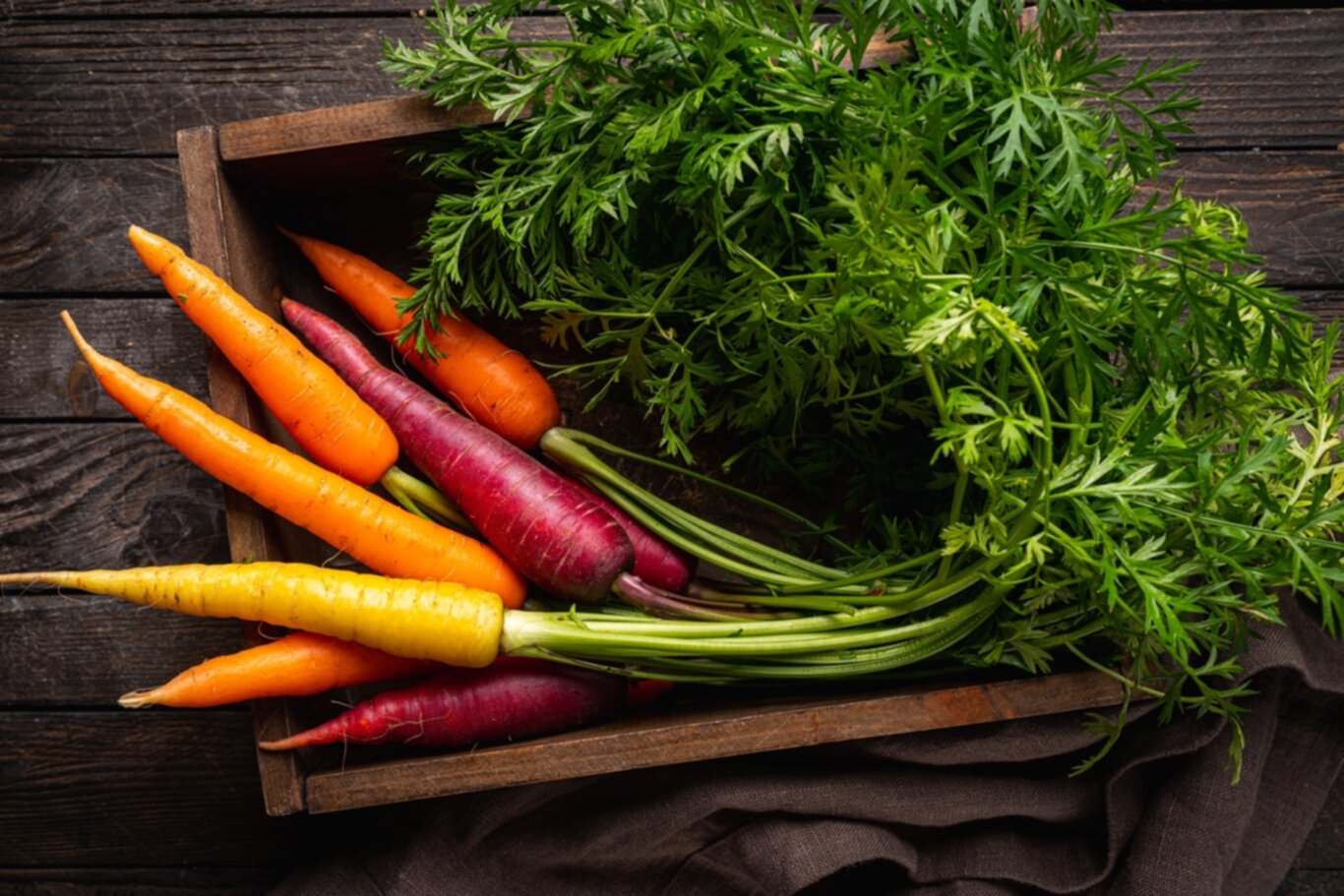
Carrots seem simple until you start noticing how many shades, shapes, and stories they carry. Orange may be the default in most grocery stores, but carrots have a colorful past that includes purple, yellow, red, and even nearly white roots, each tied to different pigments and flavors. Their varieties range from stubby, snackable types to long, tapered classics bred for sweetness and storage. Then there are the kitchen “truths” everyone repeats: peel or don’t peel, store them in water, cook them for better nutrition, or keep them away from certain fruits. Some of these tips are genuinely helpful, others are half-right, and a few are pure myth. This quiz serves up surprising facts about carrot colors, famous cultivars, and what really happens when you slice, cook, and store them. Expect a mix of history, science, and practical kitchen know-how.
1
Which carrot variety name is most associated with long, tapered roots commonly used for mass-market orange carrots?
2
A common kitchen myth says carrots “need” peeling. What is the most accurate statement?
3
Which cooking method generally makes carrot beta-carotene easier for the body to absorb?
4
Which carrot type is best known for being short, cylindrical, and often sold as a “cute” snack carrot?
5
Many “baby carrots” sold in bags are usually what, in reality?
6
What part of the carrot plant are we typically eating?
7
What is the most common reason peeled carrots sometimes taste “soapy” or harsh after sitting?
8
Purple carrots get most of their deep color from which type of plant compounds?
9
What pigment is primarily responsible for the orange color in most modern carrots?
10
Why is it often recommended to remove carrot tops before storing the roots?
11
Which storage method most helps keep carrots crisp in the refrigerator for longer?
12
Which fruit can speed up carrot bitterness or off-flavors during storage because it releases ethylene gas?
0
out of 12