Garlic Lore and Kitchen Myths Quiz
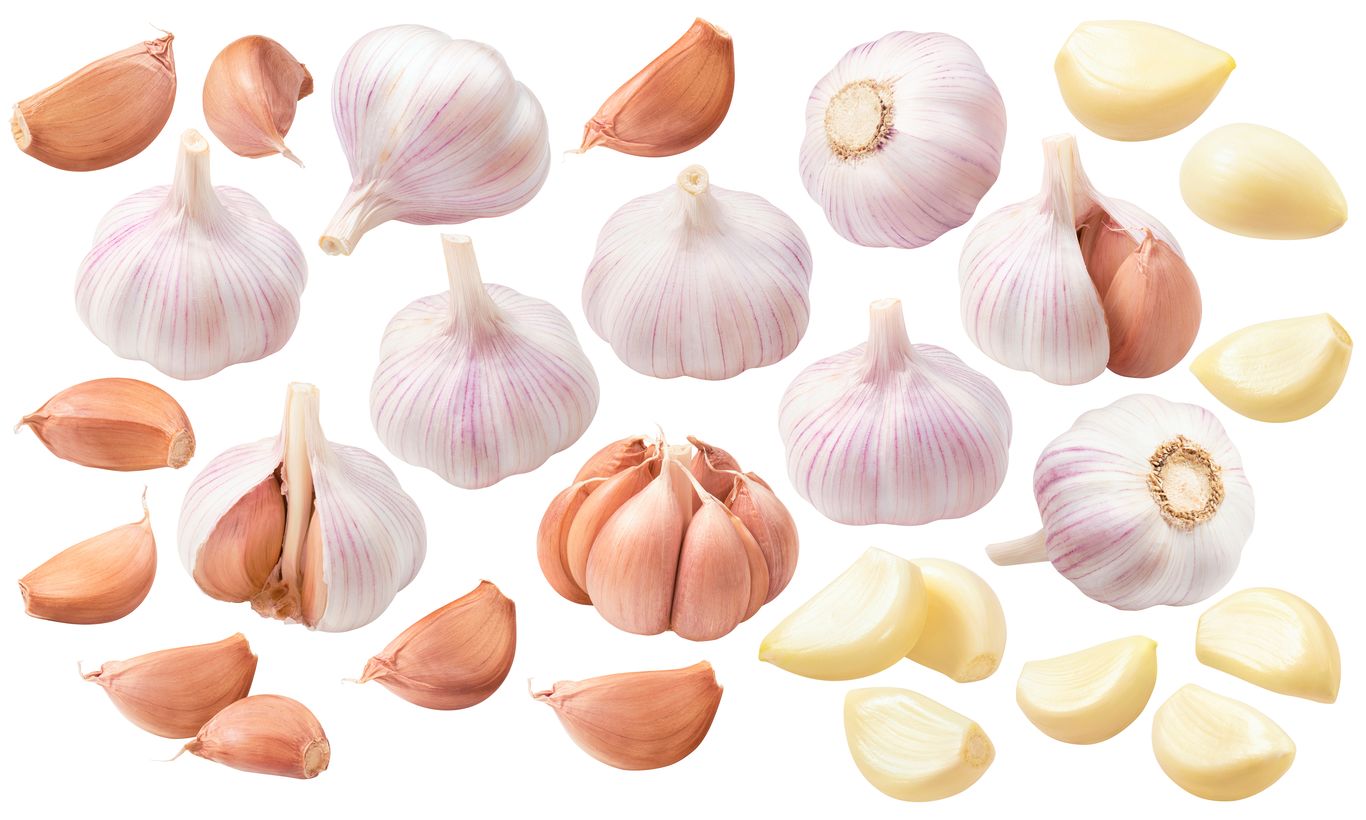
Garlic is a tiny ingredient with a big reputation: it wards off monsters in old stories, anchors countless comfort foods, and sparks plenty of kitchen arguments. Some people swear you should always remove the green sprout, others insist garlic only belongs in the pan after the onions, and nearly everyone has heard a “trick” for peeling cloves in seconds. Then there’s the science side: why garlic smells stronger after chopping, what makes it mellow when roasted, and why it can turn blue in a jar. This quiz mixes practical cooking know-how with a pinch of folklore, so you can separate useful tips from popular myths. Expect questions about flavor, storage, chemistry, and the odd historical belief or two. If you’ve ever wondered whether garlic really burns easily, why it sometimes tastes bitter, or what “black garlic” actually is, you’re in the right place.
1
Garlic in vinegar or brine can sometimes turn blue or green. What is the most common reason?
2
Why does garlic burn more easily than onions when sautéing?
3
What sulfur-containing compound is primarily responsible for garlic’s signature aroma forming after you chop or crush it?
4
If a recipe calls for rubbing a bowl with a cut clove, what is the main purpose?
5
In many European folktales, garlic was most famously used to ward off which supernatural creature?
6
Which storage method best helps whole garlic bulbs last longer at home?
7
A common kitchen myth says you should always remove the green sprout inside a clove. What is the most accurate general rule?
8
What is black garlic, as used in modern cooking?
9
Which part of the garlic plant is commonly sold as “garlic scapes”?
10
Which statement about “jarred minced garlic” versus fresh garlic is generally most accurate?
11
Which cooking method typically produces the sweetest, mellowest garlic flavor?
12
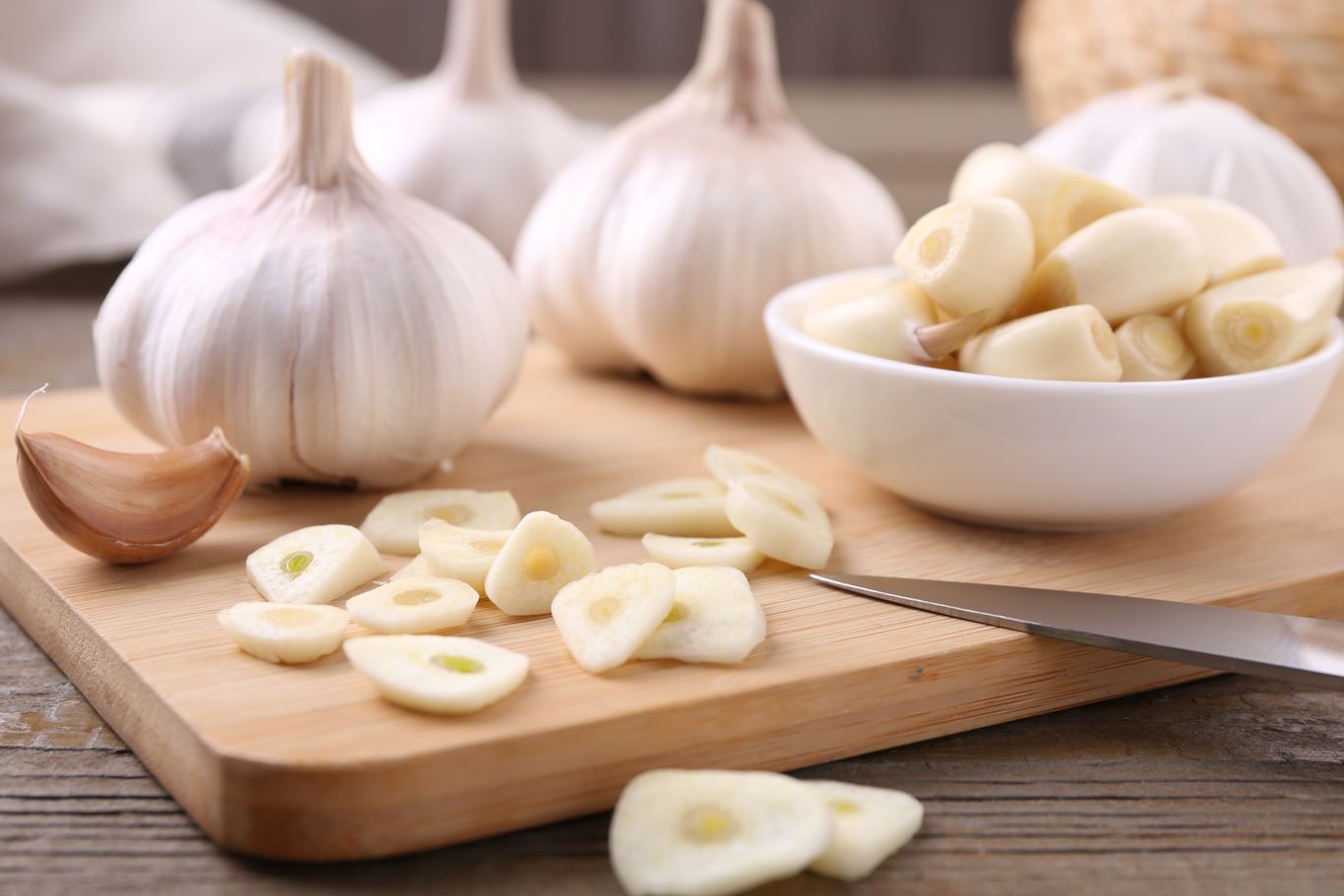
Why can minced garlic taste harsher than sliced garlic in the same dish?
0
out of 12